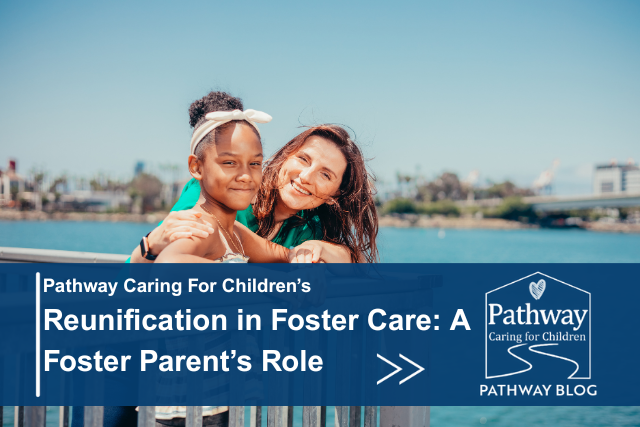
What Reunification Means in Foster Care: A Foster Parent’s Role
When people hear the word “foster care,” they often picture a child being removed from their home and placed somewhere safe. But fewer people understand what happens next—and how often, the ultimate goal is for that child to return home.
That process is called reunification.
For foster parents, it can be one of the most rewarding and emotionally complex parts of the journey. It means supporting not just the child in your care, but also their biological family—cheering for healing, growth, and the hope of being together again.
At Pathway Caring for Children, we walk closely with foster families who embrace this role with compassion, humility, and an open heart.
What Is Reunification?
Reunification is the process of returning a child in foster care to their biological parents or legal guardians once it’s deemed safe and appropriate by the court and child welfare team.
This decision happens when parents have met certain goals, such as:
- Completing substance use treatment
- Securing stable housing
- Participating in parenting programs
- Addressing the reasons the child was removed
The goal is always to keep families together when it is safe and in the child’s best interest.
The Foster Parent’s Role in Reunification
Being a foster parent isn’t just about providing care—it’s also about supporting the long-term plan for each child. And in most cases, that plan starts with reunification. Here’s what that can look like.
Providing Stability and Safety
The most immediate role of a foster parent is to offer a safe, nurturing home where a child can heal, learn, and grow while their family works toward reunification. That consistent care creates a foundation of trust, which helps children manage stress and feel secure.

Supporting Family Connections
When appropriate, foster parents may help maintain or encourage healthy connections with the child’s biological family. This could involve:
- Preparing the child for visits
- Helping them talk through their feelings before and after
- Sharing updates, photos, or milestones with the caseworker
Every interaction reinforces that the child is loved and supported by multiple caring adults.
Encouraging the Bigger Picture
It’s natural to become emotionally attached to a child in your care. But successful foster parenting means staying grounded in the understanding that you are part of a bigger plan—a plan that may include helping a family reunite and move forward together.
This doesn’t lessen the impact you have. In fact, it’s one of the most meaningful gifts you can give.
Reunification Isn’t a Goodbye—It’s a Bridge
Reunification doesn’t erase the role a foster parent plays in a child’s life. Your care becomes part of that child’s story. Sometimes, foster parents maintain contact even after reunification. Other times, the relationship transitions and closes with the chapter.
Either way, your role matters deeply. You were there when it counted most.
Final Thoughts
Reunification in foster care isn’t just a process—it’s a commitment to hope, healing, and second chances. As a foster parent, your role is both powerful and personal. You provide a safe place, a steady hand, and a heart big enough to root for a family’s success, even when it’s hard.
At Pathway, we support you through every part of that journey. From training and case support to counseling and encouragement, we’re here to walk beside you—no matter where the story leads.
If you’re interested in becoming a foster parent or learning more about how we support families, visit www.pathwaycfc.org/foster-care or contact us directly at www.pathwaycfc.org/contact.