
Creating Comfort
Why Personalized Spaces Help Foster Kids Feel at Home
When a child enters foster care, they are met with the unknown, new people, new routines, and a new space that isn’t yet theirs. In the midst of such upheaval, something as simple as a cozy blanket or a poster of their favorite cartoon character can make a profound difference.
At Pathway Caring for Children, we’ve seen how thoughtfully prepared rooms can become a powerful tool for emotional healing and connection. Whether you’re taking in a child for long-term care or responding to an emergency placement, creating a safe and personalized environment helps foster a sense of security in children, making them feel seen, valued, and safe.
Why Safe, Comfortable Spaces Matter for Foster Kids
For foster youth, the transition into a new home often involves fear, grief, confusion, and anxiety. They may have been removed from unsafe conditions or separated from siblings, parents, and everything familiar. It’s not uncommon for children to arrive with only the clothing they’re wearing or sometimes, nothing at all.
Creating a welcoming and personalized space isn’t just about aesthetics; it’s about psychological safety. A cozy, inviting room can:
- Ease transition anxiety
- Provide a sense of ownership and control
- Reinforce that the home is a safe, stable place
- Begin rebuilding trust and connection
A soft nightlight, a shelf for their belongings, or a bed made just for them can tell a child, “You matter here.”
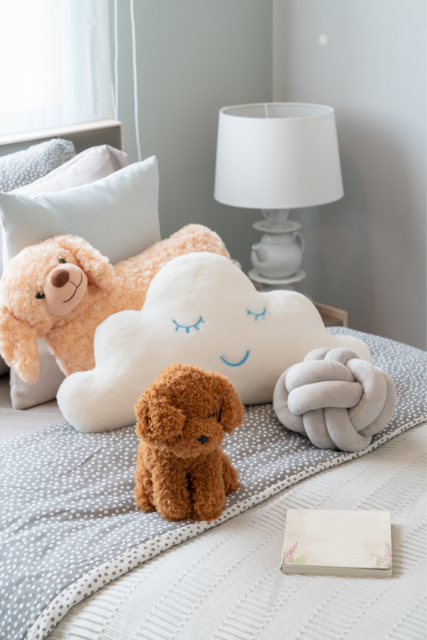
The Power of Personalization in Foster Spaces
Decorating a foster child’s room is more than arranging furniture; it’s an opportunity to communicate care and stability. While you may not know their full story or preferences when they first arrive, starting with intentional, age-appropriate design choices lays the foundation for connection.
Here’s how personalization supports mental wellness:
- Permanence Through Details: Wall art, name signs, or a designated drawer make the space feel “theirs.”
- Choices Build Confidence: Allowing them to choose bedding, wall color (even later), or posters fosters autonomy.
- Age & Interest Alignment: Tailoring the room to their developmental stage shows attentiveness and respect.
Not sure where to begin? Our Foster Care Resources page offers guidance and materials to help new foster parents prepare for various age groups.
Emergency Placement Prep: Creating Instant Comfort
Sometimes, foster parents get only a few hours or less to prepare for a child’s arrival. But even in emergency placements, there are quick and effective ways to create an environment of comfort and care.
Quick Tips for Instant Room Warmth:
- Keep a Comfort Kit Ready: Stock a bin with new pajamas, soft blankets, toiletries, and stuffed animals.
- Use Calming Lighting: Warm-toned lamps or nightlights help reduce stress.
- Create “Welcome Baskets”: Include age-appropriate books, coloring supplies, snacks, and a handwritten note.
- Add Personal Touches Later: After a few days, let the child choose a poster, rug, or stuffed animal for their space.
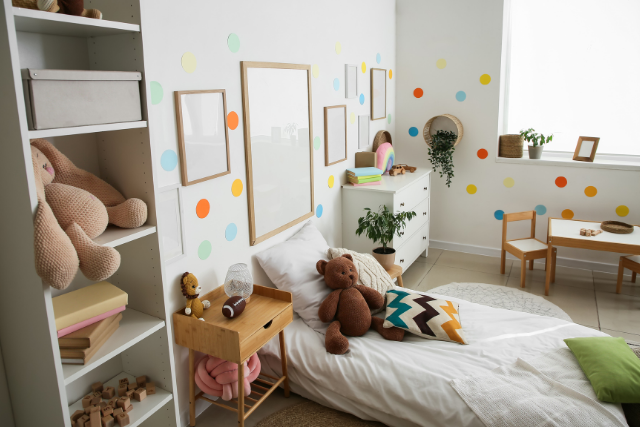
Having essential items on hand makes all the difference. Our team at Pathway encourages foster parents to prepare in advance and offers training on how to handle these high-stress transitions with empathy and structure.
Learn more about how Pathway supports foster families with training and wraparound services.
How Pathway Supports Placement Readiness
At Pathway, we understand that no placement is ever truly “routine.” Every child comes with their own needs, and every foster home has unique strengths. That’s why we equip foster parents with both practical resources and emotional tools to welcome children with dignity and care.
Our support includes:
- Pre-service and Ongoing Training: Learn how the environment impacts trauma recovery and behavioral regulation.
- 24/7 Staff Support: Call anytime with questions or challenges, even at 2 a.m.
- Foster Parent Mentorship: Connect with experienced foster families who’ve walked this path.
- Mental Health Integration: In-house therapists and case managers help identify ways to support children’s emotional regulation at home.
We also encourage families to create nurturing spaces through our Family Empowerment Program, which includes training on Trust-Based Relational Intervention (TBRI®), a trauma-informed approach to caregiving.
Budget-Friendly Decor Tips for Foster Families
Creating a warm, personalized room doesn’t require a big budget, just a thoughtful approach and a little creativity. Many caregivers have found ways to create inviting spaces using thrifted items, community donations, and DIY projects.
Budget-Friendly Decor Ideas:
- Thrift Stores & Donation Centers: Gently used furniture and décor can be refreshed with a coat of paint or fabric covers.
- DIY Art Projects: Let the child make their own room décor as a bonding activity.
- Storage Solutions: Use colorful bins or hanging organizers to add function and flair.
- Community Resources: Churches, local nonprofits, and school groups often donate items to foster families.
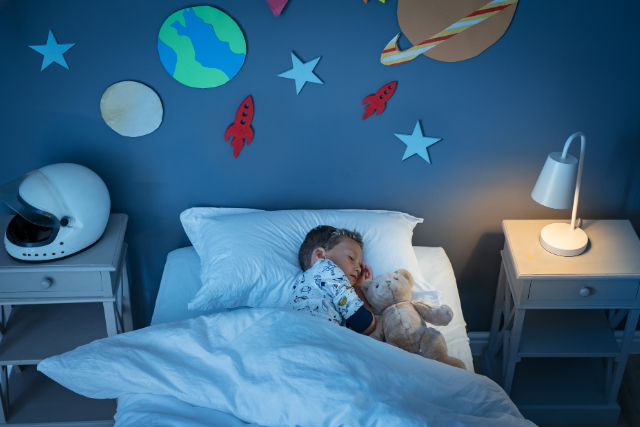
Did you know? You can support local foster children by donating new items to Pathway. We occasionally accept new items such as hygiene products, duffle bags, and gift cards to help families prepare welcoming spaces. Contact us to learn how to contribute or organize a donation drive in your community.
Small Spaces, Big Healing
Children in foster care often arrive with invisible wounds, emotional, relational, and psychological. But something as simple as a cozy blanket, a well-lit space, or a poster of their favorite character can begin the healing journey. Creating a personalized room is one of the most meaningful ways you can say, “You belong here.”
Whether you’re already a foster parent or thinking about opening your heart and home, Pathway is here to walk with you. Our holistic approach ensures that every child and every caregiver is supported from the moment of placement onward.
Ready to Help? Here’s How You Can Get Involved:
- Become a Foster Parent: Learn more about fostering at our Foster Care Overview.
- Donate Items: Gift cards are always welcome. Contact us or visit our donation page to donate.
- Join a Training Session: Explore upcoming events on our Training page.
- Support Teen Transition Programs: Help older youth prepare for adulthood through our Transitional Age Youth Services.
Together, we can create spaces and lives full of comfort, stability, and hope.