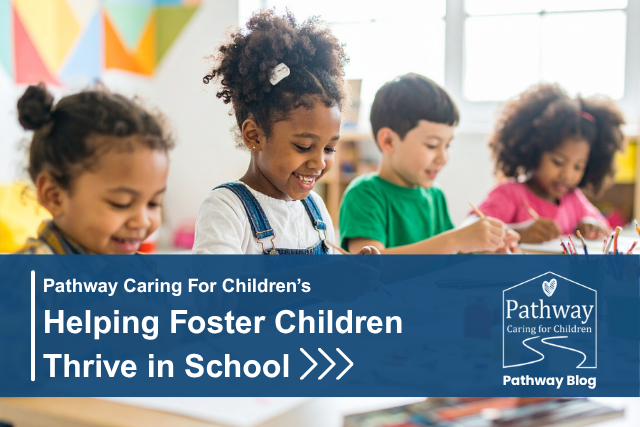
Helping Foster Children Thrive in School
From Enrollment to Graduation
For every child, school is more than a place to learn; it’s a place to build confidence, friendships, and a future. But for foster children, the academic journey can come with additional obstacles. From enrollment delays to learning gaps caused by trauma or instability, these students often need extra support to thrive.
At Pathway Caring for Children, we believe in the power of education as a tool for healing and long-term success. Whether you’re a foster parent, kinship caregiver, educator, or social worker, you play a crucial role in helping foster youth succeed academically from their very first day in a new classroom to walking across the stage at graduation.
The Educational Challenges Foster Children Face
Foster youth often face unique educational challenges that can impact their ability to succeed in school. Frequent moves, changes in caregivers, and the effects of trauma can disrupt learning and make it harder for children to focus, trust adults, or feel safe and supported in the classroom.
These disruptions can lead to gaps in academic progress, especially in core subjects like reading and math. Without consistent support, foster children may struggle to keep up with their peers or stay on track for graduation.

Despite these barriers, school can also be a place of healing and growth. A stable, trauma-informed, and supportive learning environment can help foster youth’s confidence, form positive connections, and begin to thrive academically and emotionally.
Navigating Enrollment and School Transitions
When a child enters foster care or is moved to a new placement, delays in school enrollment can occur. Caregivers often face challenges such as missing documents, uncertainty about educational rights, or confusion about which school is best suited.
Tips for Smoother School Transitions:
- Gather Records Promptly: Work with your caseworker and school liaison to obtain prior academic records, IEPs, and immunization forms as quickly as possible.
- Advocate for Stability: When possible, prioritize school consistency, even if transportation is required, to minimize educational disruption.
At Pathway, our Family Empowerment Program can help caregivers understand and navigate these transitions using trauma-informed strategies to support children emotionally during these changes.

Supporting Success Across Subjects
Trauma and educational progress are closely linked. A child who has experienced neglect, abuse, or loss may struggle to focus, sit still, or trust adults in a school setting. These behaviors are often misunderstood as defiance or lack of interest, when they are really signs of underlying emotional distress.
What Caregivers Can Do:
- Watch for Signs of Learning Gaps: Difficulty retaining information, poor concentration, or emotional outbursts during homework time may point to academic delays or frustration.
- Create Predictable Routines: A consistent homework routine and quiet space for studying help build focus and regulation.
- Celebrate Small Wins: Foster youth benefit from frequent encouragement and reminders of their progress, especially if their self-esteem has been impacted.
If you’re noticing academic struggles, our in-house mental health therapists can support your child’s emotional well-being, which directly impacts learning. Learn more about our mental health services, including school-based therapy and early childhood intervention.
Resources for Foster Youth: Tutoring, IEPs, Mentorships
Foster youth are entitled to the same educational supports as any other student, including Individualized Education Plans (IEPs) and 504 Plans. But they may also benefit from extra tutoring, mentoring, or life skills coaching to fill in the gaps and build confidence.
Pathway Can Help Connect You With:
- Tutoring and Homework Support: Many districts offer free tutoring for students in care. Contact your school’s foster liaison or Pathway for referrals.
- IEP/504 Advocacy: We can help you navigate the special education process to ensure your child gets the services they need.
- Mentorship Programs: Through our Youth Support Specialists, foster children meet weekly with trained mentors who guide them through academic and personal growth.

Whether your child is in preschool or high school, we’re here to help you tap into the resources that can make learning successful and empowering.
Looking Ahead: Career Readiness for Teens
For teens in foster care, the road to independence involves learning how to plan for life after high school, whether that involves attending college, enlisting in the military, pursuing trade school, or entering the workforce. Unfortunately, many foster youth age out of care without a plan or support system in place.
That’s why Pathway offers Transitional Age Youth Services to help teens explore their future in a structured, supportive environment.
These services include:
- Life Skills Groups: Covering budgeting, job applications, healthy relationships, and more.
- Career Exploration: Internships, resume-building, and exposure to different industries.
- College & Vocational Prep: Support applying for financial aid, enrollment, and navigating campus life.
Encourage your teen to participate in our life skills groups; they’re designed to build confidence, independence, and a sense of control over their own future.

Be Their Advocate—Education is Healing
Every child in care deserves a champion. Whether you’re supporting them through their first day in a new school or guiding them toward graduation, your voice and advocacy make all the difference.
At Pathway, we believe that education is one of the most powerful tools we can give a child; it not only opens doors but also helps rebuild trust, stability, and self-worth. If you’re a caregiver, foster parent, or community member looking for guidance, connection, or resources, contact us today.
And don’t forget: teens in your care can benefit from our life skills groups and transitional programs designed just for them. Together, we can support every child from their first school day to graduation.