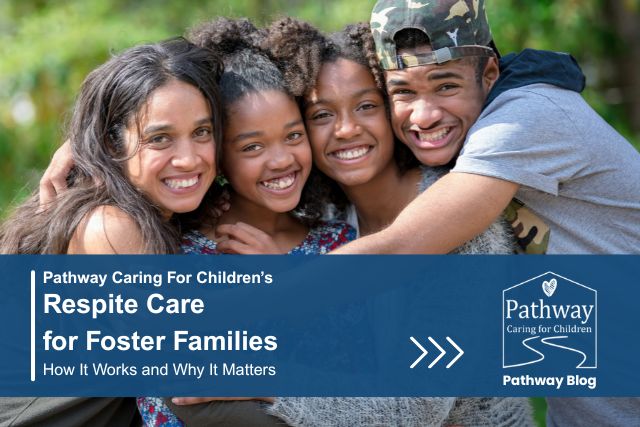
Respite Care: What It Is, How It Works, and Why Using It Makes You a Better Foster Parent
What Respite Care Is and What It Is Not
Nobody talks about this part. You open your home. You commit to a child. You show up every day, often through behaviors that are hard to understand and harder to absorb. And then one morning you wake up exhausted in a way that sleep does not fix, and you wonder whether you have anything left to give.
That is not failure. That is caregiving. And there is a resource designed specifically for this moment: respite care.
Respite care is a planned, temporary break from foster care responsibilities, during which a licensed caregiver cares for your foster child while you step away, recharge, and return. It is not abandonment. It is not a sign that the placement is in trouble. It is not a last resort.

Respite care is a formal support service built into Ohio’s foster care system because child welfare professionals have long understood something foster parents are often reluctant to admit: sustained, quality care for a child requires the caregiver to be sustained as well.
A respite stay can last a few hours, an overnight, a weekend, or longer, depending on the need and circumstances. The foster child is placed temporarily with another licensed caregiver approved for respite. The child is safe, cared for, and the placement record continues without interruption.
How the Respite Process Works in Ohio
In Ohio, respite care for foster families is coordinated through the placing agency. At Pathway, that means your case manager is your first point of contact. The general process works like this:
- Reach out to your case manager. Express that you need or anticipate needing respite care. This conversation can happen proactively before you are at a breaking point, and ideally, it should.
- Your case manager identifies a provider. Pathway works to find a licensed respite caregiver who can care for your foster child. All Pathway children stay within Pathway’s foster network during respite visits, with families who have completed the same training and understand the same expectations.
- Logistics are coordinated. The transition is coordinated between you, your case manager, the respite provider, and any other parties involved in the child’s care plan.
- The child transitions and you take your break. Daily contact and communication protocols depend on the individual plan and the child’s needs.
- Your foster child returns home. When the respite period ends, the placement continues as before.
Several Pathway foster families have chosen to be respite-only homes, and many have built trusted relationships with a partner respite home where children experience a similar routine. That consistency makes the transition feel familiar rather than disruptive, and it strengthens the bonds across the Pathway foster community.
Respite care is available to licensed foster families as part of the support structure within the system. It is not limited only to families in crisis. Requesting it is not a red flag. It is a sign that you understand your own capacity, which is itself a quality of effective caregiving.
Why So Many Foster Families Do Not Use Respite Care Even When They Need It
The barriers to asking for respite are largely internal. When foster families describe why they did not reach out sooner, the same themes come up repeatedly.
- They feel guilty. A foster child has already experienced too many transitions. Stepping away, even temporarily and safely, can feel like one more instance of that.
- They do not want to seem like they cannot handle it. Foster parents often hold themselves to an unrealistic standard of self-sufficiency. Asking for help can feel like admitting something is wrong.

- They worry about how the child will react. Some children, particularly those with attachment disruption histories, do respond to transitions with distress. But an exhausted caregiver is a greater long-term risk than a well-managed temporary break.
- They do not know it is available. Many foster parents, particularly newer ones, have never been told clearly that respite is a built-in resource and that using it is encouraged.
All of these are understandable. None of them should stand between you and a resource that exists specifically to help you stay in this role.
The Benefit of Respite Care for the Child, Not Just the Caregiver
Conversations about respite care tend to focus on the foster parent. That framing, while accurate, misses something important: respite care benefits the child too.
When a caregiver reaches the point of severe exhaustion or acute stress, their capacity for regulated, attuned caregiving diminishes. Children with trauma histories are highly sensitive to the emotional state of the adults around them. A depleted caregiver is a less available caregiver, even if they are physically present.
Placement disruption is one of the most harmful events in the child welfare system. Research consistently identifies caregiver stress and burnout as a leading factor in placement disruptions. Respite care is one of the most direct tools available for reducing that risk.
A child who experiences a well-managed, brief respite stay and then returns to their caregiver is also practicing something valuable: the experience that a separation is not permanent, that an adult will come back, that transition does not mean abandonment. For children whose early experiences taught them otherwise, that can be a meaningful therapeutic moment.
How Pathway Supports Foster Families Through Respite Care
Pathway’s support structure for foster families includes respite care coordination as part of the ongoing case management relationship. Your case manager is the starting point for any respite request. Pathway’s team works to connect families with respite providers in a way that considers the specific needs of the child, minimizes disruption to care routines, and maintains communication throughout the placement.
Our support includes:
- Dedicated Case Management: Your case manager coordinates the respite process and remains involved throughout. You are not navigating the logistics alone.
- 24/7 Staff Availability: Pathway staff are available around the clock, because the moments that need support do not always fall between 9 and 5.
- Ongoing Training and Family Events: Pathway’s training calendar and family events connect foster families with one another throughout the year.

- Mental Health Services for Children in Care: Pathway connects children in foster placements with mental health services suited to their individual needs.
- Youth Engagement Specialists: Pathway’s YES mentors provide one-on-one mentoring for children in foster care, building self-esteem, social skills, and meaningful connections with caring adults.
Learn more about how Pathway supports foster families with training and wraparound services.
Practical Tips for Preparing a Foster Child for a Respite Stay
The transition into a respite placement benefits from thoughtful preparation, particularly for children who are sensitive to change.
Quick tips for a smooth transition:
- Tell the child ahead of time, not right before. Give them a few days’ notice when possible, using age-appropriate language. “You are going to stay with another family for a few days while I take some time to rest” is honest and non-alarming.
- Frame it as a normal part of foster care. Children take cues from the adults around them. If you present the respite stay as routine and calm, they are more likely to receive it that way.
- Prepare a bag together. Letting the child help pack gives them some agency and control in a situation where they may otherwise feel they have none.
- Send familiar items. A favorite stuffed animal, a book they are reading, or a comfort object from your home. These carry continuity into the new space.
- Communicate key information to the respite provider. Dietary needs, bedtime routines, triggers to avoid, and what helps when the child is upset. Your case manager can facilitate this handoff.
- Make a plan for contact. Depending on the child’s age and needs, some contact with you during the stay may be appropriate and reassuring.
How to Build a Respite Network Before You Need It Urgently
The best time to plan for respite care is not when you are already running on empty. Building a network in advance means you are not starting from scratch during a moment of stress.
- Talk to your case manager now. If you have never discussed respite care with your Pathway case manager, that conversation is worth having before you need it.
- Connect with other Pathway foster families. Pathway’s family events and ongoing training calendar are opportunities to build genuine relationships with other licensed families.
- Consider becoming a respite provider yourself. Licensed foster families can apply to serve as respite caregivers for other families. Ask your case manager about what that process involves.
- Normalize respite care in your own household. The more you treat respite as a routine part of foster care, the easier it will be to access it without guilt when you need it.
The foster families who sustain this work over years are not the ones who never need a break. They are the ones who have built the support structures to take one.
Ready to Get Started?
Pathway’s support services include respite care coordination for foster families across Northeast Ohio. If you are approaching burnout, anticipating a difficult stretch, or simply want to understand your options, reach out to your case manager or contact Pathway today.
Ready to Help? Here’s How You Can Get Involved:
- Explore support services: Learn more at our Foster Care Support Services page.
- Submit an inquiry: Contact us or visit our inquiry page to start the conversation.
- Understand the requirements: Review requirements and qualifications for fostering with Pathway.
- Learn why families choose us: Visit our Why Choose Pathway page.
Together, we can support foster families across Northeast Ohio and keep more children in stable, loving placements.