
Why Routines Matter for Children’s Mental Health During Summer
For many kids, summer means freedom—no school, no early alarms, and a break from the daily grind. And while a little relaxation is a good thing, too much unpredictability can be overwhelming, especially for children who have experienced trauma or are working through mental health challenges.
At Pathway Caring for Children, we often hear from foster parents and caregivers who are surprised by how emotional or anxious kids become during the summer months. The truth is, routines aren’t just for school days—they’re a powerful tool for helping kids feel safe, supported, and emotionally balanced all year long.
What Makes Routines So Important?
Children—especially those who’ve experienced trauma—often feel like they don’t have much control over their world. Routines give them:
- A sense of safety: Knowing what to expect reduces anxiety.
- Confidence and independence: Familiar patterns make it easier to make decisions and meet expectations.
- Better sleep, nutrition, and focus: Predictable rhythms support mental and physical health.
- Fewer meltdowns and power struggles: Kids are less reactive when they know what’s coming next.
For children in foster care or receiving mental health services, structure can make a world of difference.
Why Summer Can Be Especially Tough
Without the structure of school, kids often feel disoriented. For those with past trauma, the unpredictability can even feel unsafe.
Common summer challenges include:
- Changes in caregivers or schedules
- Lack of access to school-based support (teachers, counselors, meals)
- Increased screen time or boredom
- Sleep disruptions from late nights or inconsistent routines
Even fun things like vacations or camps can cause anxiety if kids don’t know what to expect or feel uncertain about new environments.
Simple Ways to Build Summer Routines That Support Mental Health
Routines don’t have to be rigid. In fact, the most helpful ones are simple, flexible, and consistent. Here are a few ideas:
1. Create a Visual Daily Schedule
Kids do better when they can see what’s happening. Use pictures or words to outline:
- Wake-up time
- Meals and snacks
- Screen time
- Outdoor play
- Quiet time
- Bedtime
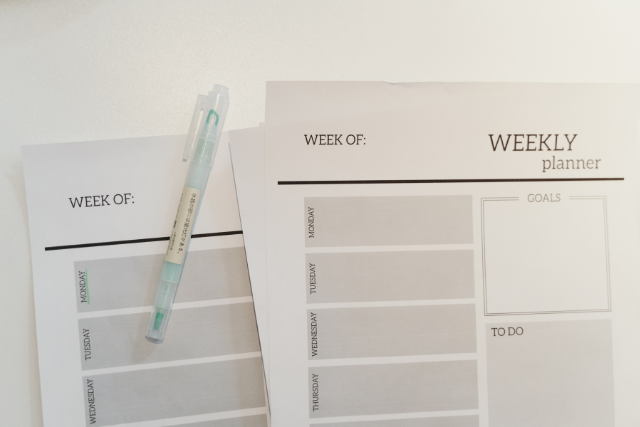
Even just anchoring the day with meals and bedtime can make a huge difference.
2. Start the Day the Same Way
A 10-minute morning ritual—like brushing teeth, getting dressed, and eating breakfast—can give the day a peaceful, predictable start.
3. Build In “Reset” Moments
Children with trauma may become overstimulated or dysregulated during long, unstructured days. Include quiet time, sensory breaks, or mindfulness activities to help them reset.
4. Use Transitions and Timers
Give warnings before switching activities (“In 10 minutes, we’re cleaning up and going outside”) so kids aren’t caught off guard.
5. Celebrate Small Wins
Whether it’s sticking to a bedtime or helping clean up after lunch, recognizing positive behavior helps kids feel seen and valued.

Routines Help Adults Too
Let’s be honest—summer can be chaotic for caregivers, too. Setting up a routine can reduce stress, make the days go more smoothly, and create more space for joy, connection, and rest.
Remember: Structure isn’t the enemy of fun—it’s the thing that helps make it possible.
Final Thoughts
Children thrive when they feel safe and supported—and summer routines are one of the best tools we have to make that happen. Whether you’re a foster parent, grandparent, or counselor, small daily rhythms can help children feel grounded, emotionally safe, and ready to enjoy the season.
Need support this summer? Pathway offers trauma-informed therapy and support for children, teens, and families. We’re here to walk alongside you—every season of the year.
Looking for More Tips or Support?
Learn more about our mental health services or reach out to our team for personalized help.