A Path Forward Starts Here
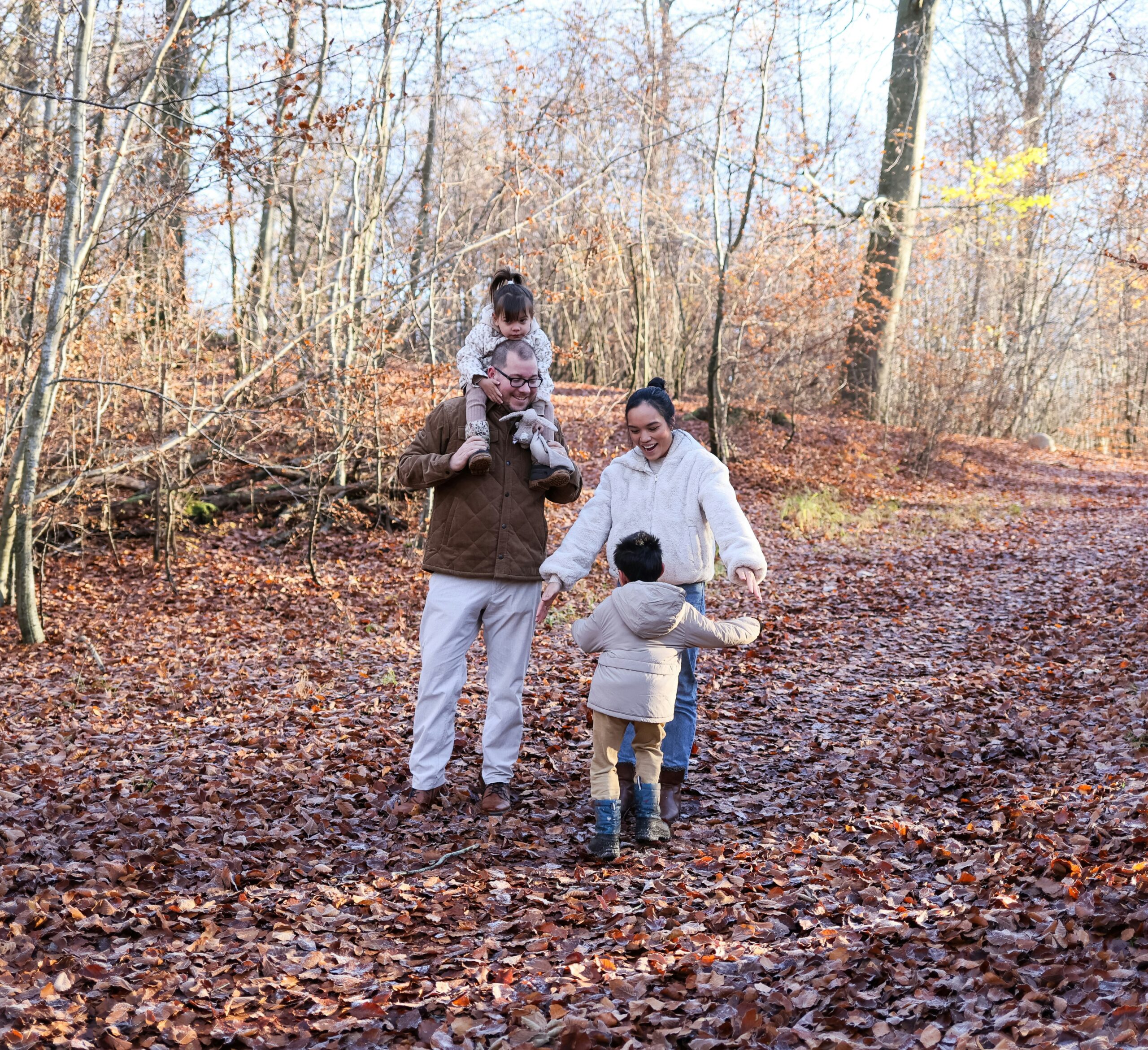
When your child or family is going through a tough season, finding the right mental health support shouldn’t feel like an uphill battle. At Pathway Caring for Children, we’ve been serving children and families in Northeast Ohio since 1973, providing mental health services and resources designed to meet people where they are.
From preschoolers and children (Early Childhood Mental Health) to teens, parents, caregivers, foster families, and families navigating adoption and other life changes, Pathway creates a place for individuals and families to feel heard, understood, and cared for.
With more than five decades of experience, our therapists understand that children do not always have the words to explain what they are feeling or what they have experienced. That is why therapy at Pathway is built around each person, not a program they have to fit into.
How to Get Started with Care
We make connecting with mental health services simple and efficient so you can begin exploring the right support for your family.
Canton Office (Quick Start to Care): Walk in during designated hours for a faster way to begin care. If you are unsure which service fits your child, teen, or family, our team will help you evaluate options on the spot.
North Olmsted Office (Cuyahoga County): While Quick Start walk-in hours are unique to our Canton location, getting started in North Olmsted is just as simple. Call Pathway directly at 330-493-0083 to schedule an initial assessment for your child or family.

For more than five decades, Pathway has walked alongside families through life’s hardest moments. Learn why families choose Pathway »
More Than Just Talk
At Pathway, therapy is something children experience, not just something they talk about.
Traditional talk therapy has its place, but a child may not be able to put anxiety, trauma, anger, grief, or changes at home into words. Pathway therapists use experiential therapy: interactive, creative, and developmentally appropriate activities matched to each child’s age, strengths, and treatment goals. Through hands-on activities, children build trust, explore emotions, process experiences, and practice coping skills they can carry with them.
Creative and Reflective
Creative outlets give children a way to show what they feel before they can say it.
- Art and creative projects: Drawing, painting, and hands-on projects that help children express complex feelings.
- Journaling: Guided reflection that helps older children and teens sort through their thoughts and practice coping strategies.
Play and Pretend
Play is how children make sense of the world, which makes it one of the most natural ways for them to work through what’s happening in theirs.
- Therapeutic games and play: Games and toys used to practice emotional regulation, problem-solving, and social skills.
- Dollhouses and puppets: Pretend play that gives children a safe way to act out situations and explore relationships.
Sensory and Physical
Some feelings are easier to work through when a child can move, touch, and explore.
- Sensory activities: Hands-on tools that help children discover what keeps them calm, focused, and grounded.
- Movement and trampolines: Active play that releases energy and builds self-regulation and body awareness.
- Outdoor time and sidewalk chalk: Relaxed settings that make it easier for children to open up.
Every activity is chosen with purpose, helping children communicate, process experiences, regulate emotions, and practice new skills.




What We Help With
Every child responds to therapy in their own way. Pathway therapists build individualized treatment plans, using individual, family, or group sessions, to support children, teens, and young adults through challenges like these:
- Trauma and PTSDFear, withdrawal, or strong reactions after a difficult experience.
- Anxiety and depressionOngoing worry, sadness, or loss of interest in usual activities.
- Behavioral challengesFrequent outbursts, defiance, aggression, or impulsivity.
- ADHD, autism, and developmental concernsChallenges with attention, communication, or social skills.
- Grief and lossSadness, anger, or confusion after a significant loss.
- Adoption and attachmentQuestions about identity and belonging, or struggles with trust and connection.
We also support children and families through divorce and family changes, anger and emotional regulation, peer relationships, and everyday stress.
Frequently Asked Questions
Reaching out for the first time can bring up a lot of questions. Here are answers to the ones parents ask us most.
What happens during my child's first appointment?
The first session is a chance for the therapist to get to know your child and family. Caregivers complete intake forms, and together you'll talk through goals and how therapy can be tailored to your child.
Do parents or caregivers stay in the therapy room?
It depends on your child's age, needs, and goals. Some sessions are one-on-one with your child, some include caregivers, and many use a mix of both.
How long is a therapy session?
Session length depends on the service and your child's needs. Time spent with your therapist could be between 25 and 55 minutes.
Can Pathway help children with ADHD or autism?
Yes. Our therapists support children with ADHD, autism, and developmental concerns using strength-based behavioral, family, and hands-on experiential approaches.
Does Pathway offer therapy at school?
Yes. Through our School-Based Services, Pathway partners with area schools to provide mental health care during the school day.
Can my child receive services at their school if Pathway is not currently partnered with the school?
Possibly. In some cases, we have provided services at a school even when Pathway did not have an established partnership with that school. This depends on the school’s ability to accommodate services, the needs of the child and family, and whether the school setting is appropriate for the child’s treatment. Our team can work with the family and school to explore available options.
How do I know if my child needs therapy?
You don't need a diagnosis to reach out. If you notice lasting changes in mood, behavior, sleep, relationships, or coping, talking with a professional can help you decide on a next step.
Programs and Settings
Pathway offers specialized programs for children, teens, and families, so care can fit your child's age, needs, and circumstances.

Early Childhood Mental Health
Specialized support for young children during the earliest years of development.
Early Childhood Care »
School-Based Services
Mental health support delivered during the school day in participating schools.
School-Based Care »
Transitional Age Youth Services
Support and life-skills resources for teens and young adults.
Youth Services »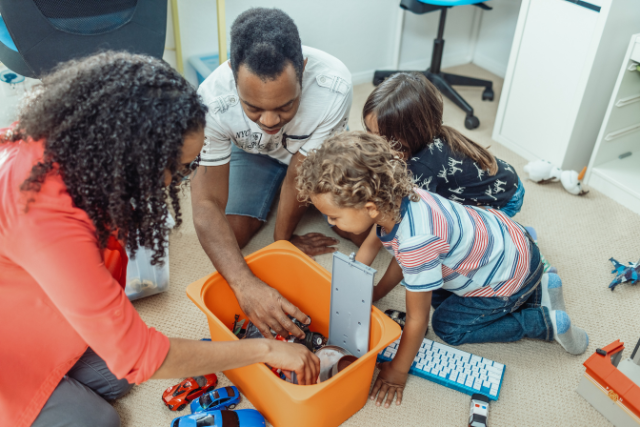
Family Empowerment Services
Guidance and resources that help strengthen family relationships.
Family Programs »Featured Program
Mental Health Groups for Children, Teens, and Families
Mental Health Therapy Groups help children and teens manage emotions, strengthen social skills, learn coping skills, build confidence, connect with peers, and build resilience with the support of trained mental health professionals.
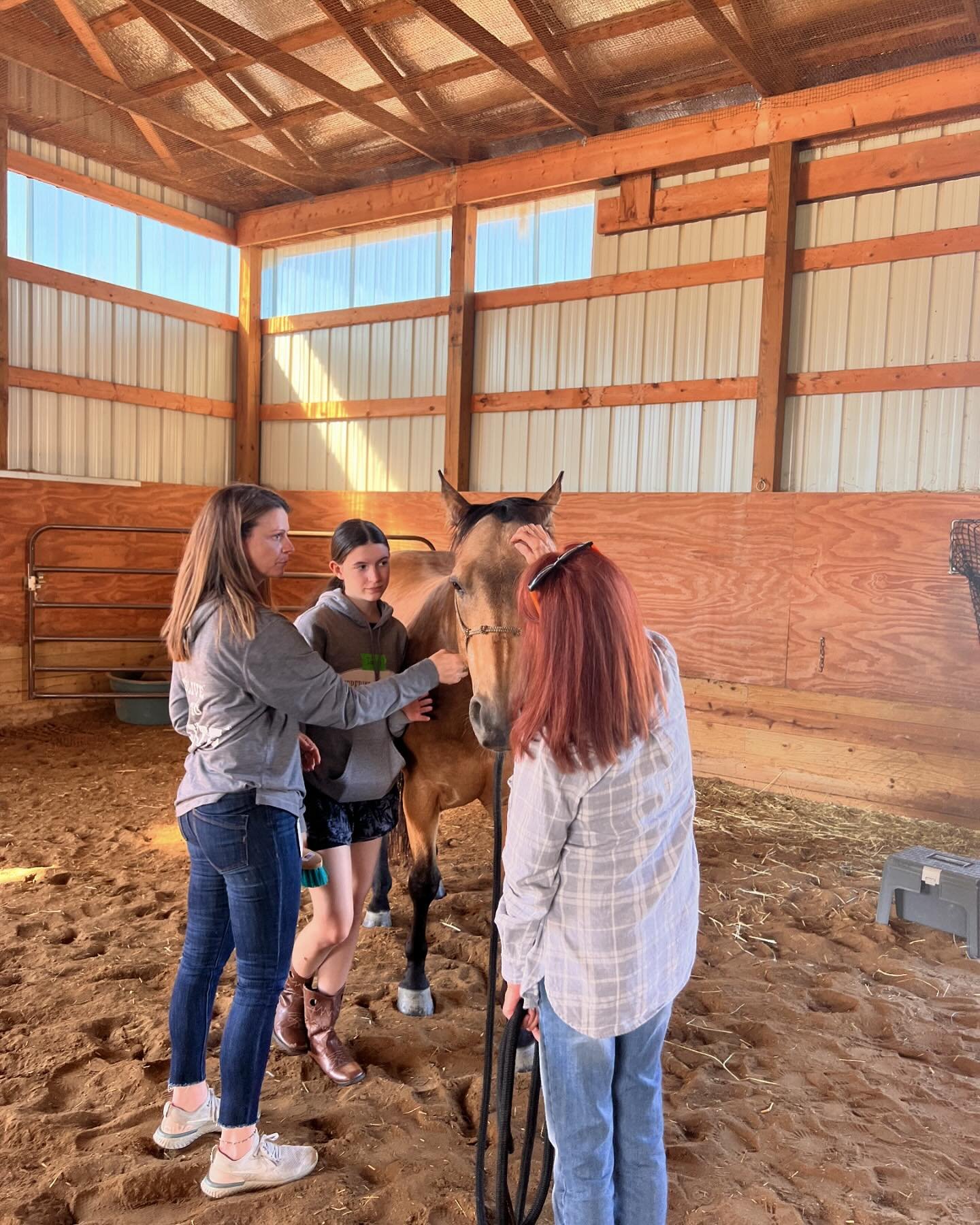
Mental Health Care is available at our Canton and North Olmsted offices, in participating schools, and through telehealth. View office locations and directions »
Meet Our Mental Health Team
Choosing a therapist is personal. Meet a few of the licensed professionals behind Pathway's care, all trained to understand trauma and its impact on children and families.
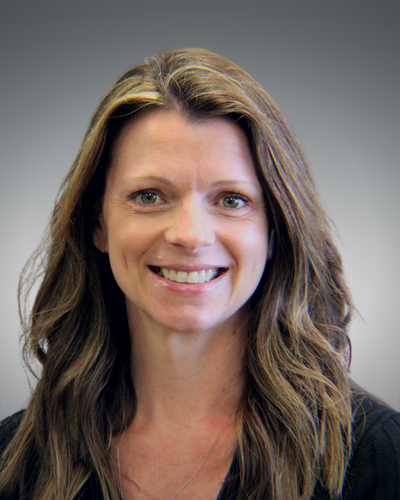

Sarah Dunn
LPC, Mental Health Therapist
Experience with children, adolescents, and families.
View profile »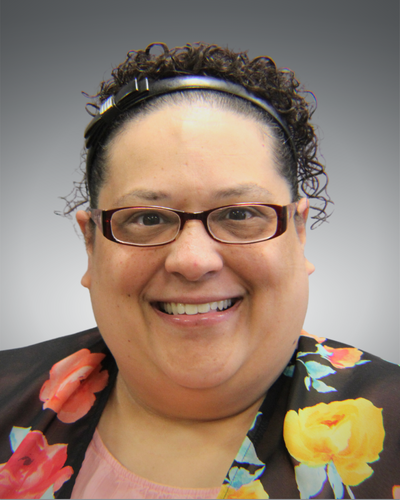

Kaitlyn Carrick
LPCC, Mental Health Therapist
Experience with children, teens, and young adults.
View profile »Insurance and Funding
Pathway is in-network with many Medicaid and commercial plans.
Medicaid plans
- CareSource
- Buckeye
- Molina
- UnitedHealthcare
Commercial plans
- Anthem
- AultCare
- Medical Mutual
View all accepted insurance plans »
Don't qualify for Medicaid? StarkMHAR Treatment Funding may be available for Stark County families.
Getting Started Is Simple
- Reach outCall 330-493-0083, send an online inquiry, or walk in during Quick Start to Care hours at our Canton office.
- Share your storyComplete intake paperwork so we can understand your child's and family's needs.
- Make a planMeet with a Pathway therapist to build an individualized care plan together.
- Begin careStart sessions and adjust along the way as your child grows and goals change.
You don't need to have everything figured out before you call. Our team will guide you.
Your Pathway to a Brighter Tomorrow
Engaging mental health care for children, teens, and families.
If you or someone you know is in crisis, call 911 or call or text 988 for immediate help.
Helpful Resources
Looking for ways to help at home? Our free resources offer practical tips, answers to common questions, and guidance for families, teens, and children.
 Start here
What Is Mental Health?
A simple, judgment-free guide to understanding mental health and knowing when support can help.
Read the guide »
Start here
What Is Mental Health?
A simple, judgment-free guide to understanding mental health and knowing when support can help.
Read the guide »
- Mental Health for FamiliesTips and tools to support your family's emotional health.
- Mental Health for TeensSupport for school stress, friendships, and big changes.
- Mental Health for ChildrenUnderstanding big feelings and how to talk about them.
- Mental Health FAQsAnswers to common questions about therapy for kids.
- Mental Health TipsEveryday coping ideas families can try at home.
- Mental Health StatisticsExplore key statewide and local data on youth mental health trends.