Ohio Child & Teen Mental Health Statistics
Mental health challenges among Ohio children and teens are more common than many parents realize. The numbers below come from state and federal health agencies, and they show why early, child-centered support matters at every age.
Anxiety & ADHD Statistics for Ohio Children Ages 3 to 11
Anxiety can begin well before the teen years.
- Almost 12% of Ohio children ages 3 to 17 had anxiety in 2021-2022, compared to roughly 10% of children nationwide.
- 2% of Ohio children ages 3 to 5 had anxiety.
- 8% of Ohio children ages 6 to 11 had anxiety.
- An estimated 12% of Ohio youth had attention-deficit/hyperactivity disorder (ADHD) or attention deficit disorder (ADD) in 2021 and 2022.
Young children often show what they are feeling through behavior rather than words. That is why early support built around play, creativity, and hands-on activities can make such a difference.
Quick Start to Care
Finding the right mental health care shouldn’t feel overwhelming. Pathway’s Quick Start to Care offers a fast-track way to connect with mental health services and begin exploring what support may be right for you or your family.
Walk in during Quick Start to Care hours at our Canton office. No appointment is needed. Telehealth intake is also available for ages 10 and up.

Behind every number on this page is a child with a story, and Pathway has been listening since 1973. Learn why families choose Pathway »
Teen Depression Statistics in Ohio, Ages 12 to 17
Depression is one of the most common challenges Ohio teens face. In 2021-2023, among adolescents aged 12 to 17 in Ohio, 20.0% had at least one major depressive episode in the past year. That rate holds close to home. Compared with the state average, the estimate for major depressive episodes among adolescents aged 12 to 17 was similar for every substate region in Ohio, including the regions that cover Stark and Cuyahoga Counties.
In the same period, 14.1% of Ohio adolescents aged 12 to 17 had serious thoughts of suicide in the past year.
Ohio High School Student Mental Health Statistics
Ohio high school students are reporting more sadness than they did a decade ago. In 2023, 35.0% of high school students felt sad or hopeless almost every day for two weeks or more, to the point that they stopped doing some usual activities, up from 25.8% in 2013.
- 33.0% of Ohio high school students said their mental health, including stress, anxiety, and depression, was not good most of the time or always.
- 46.1% of girls said so.
- 20.3% of boys said so.
Students also reported experiences that can affect how they feel and cope. 23.4% of high school students did something to purposely hurt themselves without wanting to die, and 21.9% were bullied on school property in the past year.
Questions Parents Ask About These Numbers
Statistics can raise more questions than they answer. Here is what parents most often want to know.
How common is depression in Ohio teens?
More common than many parents expect. From 2021 to 2023, about one in five Ohio teens ages 12 to 17 (20.0%) had at least one major depressive episode in the past year, according to SAMHSA. Pathway supports teens through individual and family therapy, therapy groups, and Transitional Age Youth Services.
Is it normal for my teen to feel sad sometimes?
Everyone has hard days. In 2023, 35% of Ohio high school students felt sad or hopeless almost every day for two weeks or more, enough to stop some usual activities. If you notice lasting changes in mood, behavior, sleep, relationships, or coping, talking with a professional can help you decide on a next step.
Are girls and boys affected differently?
In 2023, 46.1% of Ohio high school girls said their mental health was not good most of the time or always, compared to 20.3% of boys. Boys still struggle, and they may show it differently, so changes in behavior are worth paying attention to.
Can young children need mental health support too?
Yes. Young children often show what they feel through behavior rather than words. Pathway’s Early Childhood Mental Health services support children from birth through age 6, along with their families and teachers. Our Little Skill Builders group also helps children ages 3 to 5 build skills to handle big feelings.
Where do these statistics come from?
The numbers on this page come from government health agencies, including the Substance Abuse and Mental Health Services Administration (SAMHSA) and the Ohio Department of Health. Full links are listed in the Sources section on this page.
How quickly can my child start care at Pathway?
With Quick Start to Care, families can walk in during designated hours at our Canton office and complete intake the same day, with no appointment needed. Telehealth intake is available for ages 10 and up. You can also fill out intake forms ahead of time or enroll online.
What should I do if my child is in crisis?
If you or someone you know is in crisis, call 911 or call or text 988 for immediate help.
Stark County Youth Mental Health Statistics
Local data reflects these same trends right here in Stark County:
- 25% of Stark County youth screened at a level indicating mental health concerns warranting further exploration.
- Nearly 1 in 3 reported anxiety concerns significant enough to warrant further exploration by a mental health professional.
- Nearly 1 in 4 reported concerns related to depression.
- 13% reported seriously considering attempting suicide during the previous year.
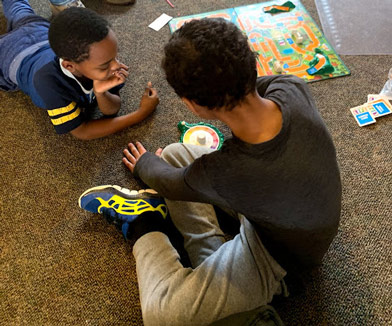
How Pathway Shows Up for Ohio Families
Pathway Caring for Children has served children and families in Northeast Ohio since 1973. Each year, our mental health team serves over 2000 children and families, provides on-site support in 7 school districts and preschools, and helps hundreds of families begin care faster through Quick Start to Care.
Meet the therapists behind Pathway’s care »Your Pathway to a Brighter Tomorrow
Compassionate mental health care for children, teens, and families.
If you or someone you know is in crisis, call 911 or call or text 988 for immediate help.
Youth Suicide Statistics in Ohio, Ages 10 to 24
In 2023, suicide remained the second-leading cause of death among Ohioans ages 10-14, and on average one individual age 10-24 died by suicide every 36 hours. These losses are why early support, open conversations, and knowing where to turn for help matter so much.
If you are experiencing an emergency, please call 911 or contact the Suicide & Crisis Lifeline by calling or texting 988 for immediate support.

 Families and access to care
Finding Help Shouldn’t Be This Hard
When local help is hard to find, families can wait weeks just to begin. Pathway’s Quick Start to Care was created so families can complete intake faster and start therapy sooner.
See Quick Start to Care hours and how it works »
Families and access to care
Finding Help Shouldn’t Be This Hard
When local help is hard to find, families can wait weeks just to begin. Pathway’s Quick Start to Care was created so families can complete intake faster and start therapy sooner.
See Quick Start to Care hours and how it works »
- Explore School-Based Mental Health Services31% of Medicaid-enrolled Ohio students had an active behavioral health diagnosis in 2022-2023. See how Pathway supports students during the school day.
- Find a Pathway Office Near You75 of 88 Ohio counties were mental health professional shortage areas in July 2025. View our Canton and North Olmsted locations.
- Meet Pathway’s TherapistsGet to know the licensed professionals behind Pathway’s care.
- Enroll in Counseling OnlineShare your preferred days and times, and our team will help schedule an appointment.
- Download Intake FormsComplete your paperwork ahead of your first visit to save time.
Sources for Ohio Mental Health Statistics
- Substance Abuse and Mental Health Services Administration (SAMHSA). Behavioral Health Barometer, Ohio, Volume 8: Indicators as Measured in the 2021-2023 National Surveys on Drug Use and Health. Released 2025. View report
- Ohio Department of Health. 2023 YRBS/YTS High School Mental Health, Suicide, and Self-Harm Report. Ohio Youth Surveys, 2024. View report
- Ohio Department of Health. Ohio Suicides Decreased in 2023 for First Time in Three Years (2023 Ohio Suicide Report release). January 2025. View release
- U.S. Health Resources and Services Administration (HRSA). National Survey of Children’s Health, 2021-2022. View data
- Ohio Healthy Student Profiles, 2022-2023 school year. View data
- U.S. Health Resources and Services Administration (HRSA). Health Professional Shortage Area designations, July 2025. View data
- Stark County Health Department. 2025 Stark County Community Health Assessment, incorporating the 2023-2024 Ohio Healthy Youth Environments Survey (OHYES!). 2025. View report