Is My Child Anxious? Signs Parents Often Miss

Marcie Girdlestone
View Marcie’s profile »A parent’s guide to the signs that are easy to overlook, the questions worth asking, and when support may help.
A child who refuses to go to school. A teen who becomes irritable before a big event. A stomachache that seems to appear every Sunday evening. These moments may look unrelated, but sometimes they are different ways anxiety shows up.
Anxiety does not always sound like “I’m worried.” Children may express it through behavior, sleep, physical discomfort, or avoiding situations that feel overwhelming. That can leave parents unsure whether they are seeing a passing phase, a behavior problem, or something more.
Some anxiety is a normal part of growing up. What matters is whether it persists, causes distress, or begins getting in the way of school, relationships, activities, or family life. Understanding the pattern is a useful first step.
What Does Anxiety Look Like in Children and Teens?
Every child experiences anxiety differently. Some children will tell you they are worried. Others may not have the words to explain what they are feeling
Parents might instead notice changes in their child’s behavior.
Possible signs of anxiety can include:
Thoughts & feelings
- Frequent worrying or needing repeated reassurance
- Difficulty concentrating
- Fear of making mistakes
- Perfectionism
Behavior & relationships
- Irritability or becoming upset more easily
- Avoiding school, activities, friends, or unfamiliar situations
- Difficulty separating from parents or caregivers
- Becoming unusually quiet or withdrawn
Body & sleep
- Trouble falling asleep or staying asleep
- Headaches or stomachaches without an identified medical cause
- Restlessness or appearing “on edge”
Children and teens with anxiety may also worry excessively about school performance, friendships, extracurricular activities, disappointing other people, or what might happen in the future.
The National Institute of Mental Health notes that anxiety can include irritability, difficulty concentrating, sleep problems, fatigue, headaches, muscle aches, stomachaches, and difficulty controlling worry.
A short video from Akron Children’s Hospital offers additional guidance for parents supporting a child or teen who may be struggling with anxiety.
Watch: Helping Your Child Manage AnxietyAkron Children’s Hospital
Video courtesy of Akron Children’s KidsHealth | Reviewed January 2023.
Can Anxiety Look Like Anger or Bad Behavior?
Yes, and this is one of the reasons anxiety can be easy to miss.
Imagine telling your child it is time to leave for school and suddenly getting:
“I’m not going!”
“I hate school!”
“Leave me alone!”

A parent naturally sees the behavior first.
But underneath the behavior might be:
“Someone is bothering me at school.”
“I’m scared you’re going to leave while I’m gone.”
“Everyone is going to notice if I make a mistake.”
“I don’t know why, but going to school makes my stomach hurt.”
This doesn’t mean every angry outburst is anxiety or that challenging behavior should simply be ignored. It means behavior can sometimes be a clue that a child is having difficulty communicating what is happening internally.
Instead of only asking, “How do I stop this behavior?” it can be helpful to also ask, “What might my child be trying to tell me through this behavior?”
Can Anxiety Cause Stomachaches and Other Physical Symptoms?
YES. It can. Children don’t always experience or describe anxiety as an emotion. Sometimes they experience it physically.
A child may complain about:
- Stomachaches
- Headaches
- Feeling sick before school
- Muscle tension
- Fatigue
- Difficulty sleeping
- Feeling shaky or restless
- A racing heart or feeling short of breath
This doesn’t mean physical symptoms should automatically be attributed to anxiety. New, persistent, or concerning physical symptoms should be discussed with your child’s healthcare provider.
However, if physical complaints repeatedly appear around stressful situations, Sunday night before school, test days, separation from a parent, social events, sports, or unfamiliar situations, it’s worth considering whether anxiety could be contributing.
How Common Is Anxiety in Teenagers?
Anxiety disorders are among the mental health conditions that can begin during childhood and adolescence.
Local data show why recognizing anxiety matters. According to the 2025 Stark County Community Health Assessment, 32% of youth surveyed in the 2023–2024 OHYES! Youth Survey screened positive for anxiety concerns warranting further exploration by a mental health professional. Screening positive does not mean a young person has a diagnosed anxiety disorder.
Nationally, 16.1% of adolescents ages 12–17 had current, diagnosed anxiety in 2023, according to the National Survey of Children’s Health. Anxiety was the most common diagnosed mental or behavioral health condition in that age group.
Looking across a broader age range, the CDC reports that 11% of U.S. children ages 3–17 had current, diagnosed anxiety in 2023–2024. These national figures measure diagnosed conditions, whereas the Stark County figure reflects screening results; they should not be directly compared.
These recent findings underscore the importance of noticing anxiety when it begins affecting school, sleep, friendships, or family life.
Isn’t Some Anxiety Normal?
Yes.
Feeling nervous before the first day of school, worrying about a big test, being uncomfortable meeting new people, or feeling anxious before performing in front of others can all be normal experiences. When considering how much is “normal” anxiety, consider several factors.
Consider the frequency, intensity, duration, and impact of what you are seeing.
For example, being nervous before a test is different from repeatedly refusing to attend school because of fear.
Feeling shy when meeting someone new is different from avoiding friendships and activities your child wants to participate in.
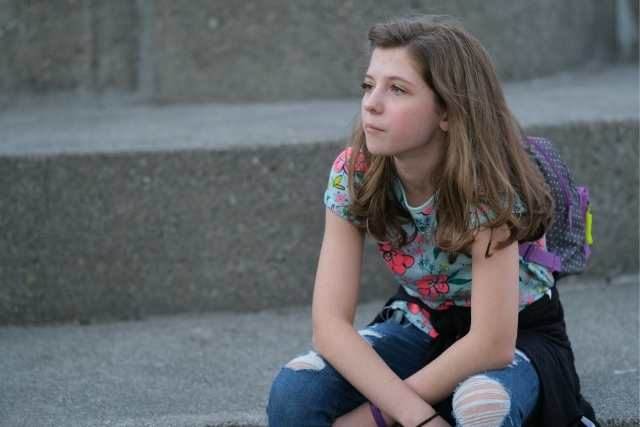
The difference is the impact on daily life
Tap either side to compare.
- Nervous before a test
- Worried about a new situation
- Still able to participate
- Fear that persists or intensifies
- Avoiding school or friendships
- Sleep or routines are disrupted
According to the National Institute of Mental Health, parents should consider seeking professional help when concerning emotions or behaviors continue for weeks or longer, cause distress, or interfere with functioning at home, at school, or with friends.
What Can Parents Do to Help an Anxious Child?
You don’t have to have the perfect response. Start by becoming curious about what your child is experiencing.
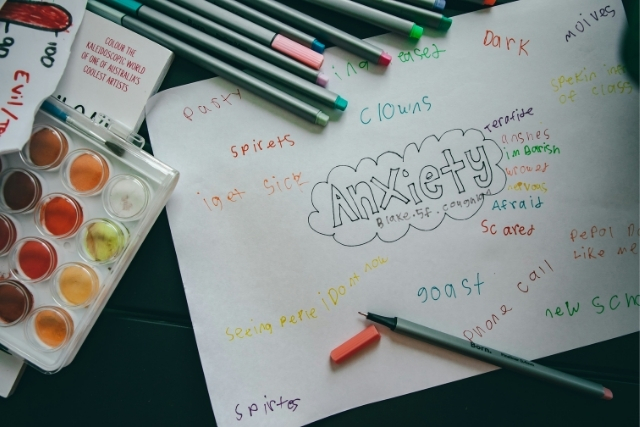
Listen before trying to fix it.
Instead of immediately saying, “There’s nothing to worry about,” try:
“You seem really worried about tomorrow. Tell me what feels scary about it.”
This gives your child an opportunity to explain rather than defend how they feel.
Small shifts in what we say can help
Instead of:“There’s nothing to worry about.”
Try:“Tell me what feels scary about it.”
Instead of:“Just stop thinking about it.”
Try:“I can see this is hard. Let’s work through it.”
Instead of:“You’ll be fine.”
Try:“What could help you take the next step?”
Help them name what they’re feeling.
Younger children especially may need help connecting physical sensations and behaviors with emotions.
You might say:
“I’ve noticed your stomach seems to hurt most often before school. I wonder if something about school has been feeling stressful lately.”
Avoid making anxiety bigger or dismissing it.
Repeated reassurance can sometimes become part of an anxiety cycle, while telling a child to “just stop worrying” usually doesn’t teach them what to do with the worry.
Instead, acknowledge the feeling while communicating confidence that they can cope with it.
Keep routines predictable.
Regular sleep, meals, school routines, physical activity, and downtime can provide stability when a child is feeling overwhelmed.
Notice patterns.
Pay attention to when anxiety seems strongest.
Is it happening:
- Before school?
- At bedtime?
- During homework?
- Before separating from you?
- Around certain peers?
- Before practices, games, or performances?
- During transitions or changes?
Patterns can provide valuable information about what your child may be experiencing.
When Should I Consider Counseling for My Child?
You don’t have to wait until your teen is in crisis to ask for help.
Consider talking with a mental health professional when anxiety:
- Continues for several weeks or keeps returning
- Seems to be getting worse
- Causes significant distress
- Interferes with school attendance or performance
- Prevents your child from participating in activities
- Affects friendships or family relationships
- Consistently disrupts sleep
- Causes frequent physical complaints
- Leads to significant avoidance
- Feels difficult for your child or family to manage
Counseling can help children and teens better understand what they’re feeling, identify triggers, develop coping skills, communicate their needs, and practice healthier ways of responding to anxiety.
Parents can also learn strategies for supporting their child without unintentionally reinforcing anxious patterns.
How Can Pathway Caring for Children Help?
When your child is struggling, you don’t have to figure everything out before reaching out.
Pathway Caring for Children provides mental health services designed to support children, teens, and families. Our team can help families better understand what may be contributing to a child’s emotional or behavioral concerns and determine what next steps may be helpful. We will support you and your child or teen in practicing coping skills that build confidence in their ability to navigate daily life. We will connect you to resources you may need and build upon the strengths and relationships your family needs to be successful moving forward.
Whether you’re seeing anxiety, anger, school difficulties, withdrawal, frequent worry, or simply a change in your child that concerns you, reaching out is a reasonable first step.

Support that meets children where they are
Understand
feelingsPractice
coping skillsBuild
confidenceConnect
with support
You don’t have to wait for a crisis to ask for help.
To ask about counseling for your child or teen, call Pathway Caring for Children at 330-493-0083 or visit our counseling enrollment page. Our team can discuss your concerns and help identify next steps.

Frequently Asked Questions About Anxiety in Children
Can anxiety make a child angry?
Yes. Anxiety can sometimes contribute to irritability, frustration, emotional outbursts, or avoidance. Anger can have many causes, however, so it is important to look at the child’s overall behavior and circumstances rather than assuming anxiety is the cause.
Can anxiety cause stomachaches in children?
Yes. Anxiety can be associated with physical symptoms such as stomachaches and headaches. Persistent or concerning physical symptoms should also be evaluated by a healthcare provider to rule out medical causes.
Why does my child’s anxiety seem worse at night?
At night, there are often fewer distractions, which may leave more opportunity for worries to surface. Children may also worry about being separated from caregivers, the next school day, or whether they will be able to fall asleep.
How do I know if my child’s anxiety is serious?
Pay attention to how long the symptoms have lasted and how much they interfere with everyday life. Anxiety that causes significant distress or interferes with school, friendships, family life, sleep, or normal activities deserves attention.
Do I have to wait until anxiety is severe before seeking counseling?
No. Parents can seek guidance before symptoms become severe. Early support can help families better understand what is happening and give children strategies for managing difficult emotions.
Sources and further reading
- National Institute of Mental Health. Child and Adolescent Mental Health. View source
- National Institute of Mental Health. Generalized Anxiety Disorder. View source
- National Institute of Mental Health. Any Anxiety Disorder (NCS-A), based on 2001–2004 survey data. View source
- Centers for Disease Control and Prevention. Data and Statistics on Children’s Mental Health. View source
- Center for Marketing and Opinion Research. (2025). 2025 Stark County Community Health Assessment, p. 163. Data source: 2023–2024 Ohio Healthy Youth Environments Survey (OHYES!), Stark County. Read report (PDF)
- Akron Children’s KidsHealth. (2023, January 1). Helping your child manage anxiety [Video]. Reviewed by KidsHealth Behavioral Health Experts. View source
Educational information only. Individual symptoms and treatment needs should be discussed with a qualified professional.